CHINATOWN OF THE SIERRA NEVADA MOUNTAINS
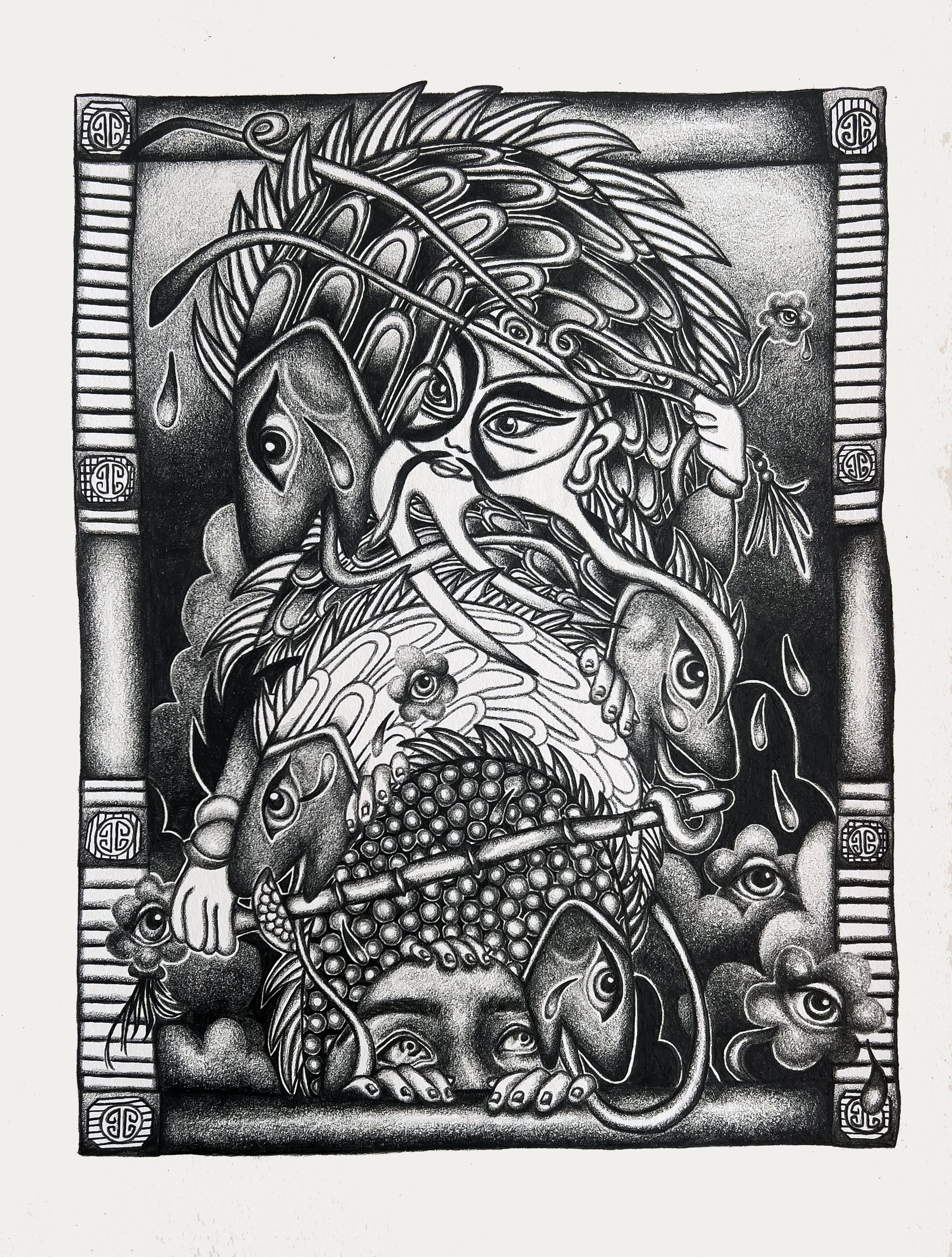
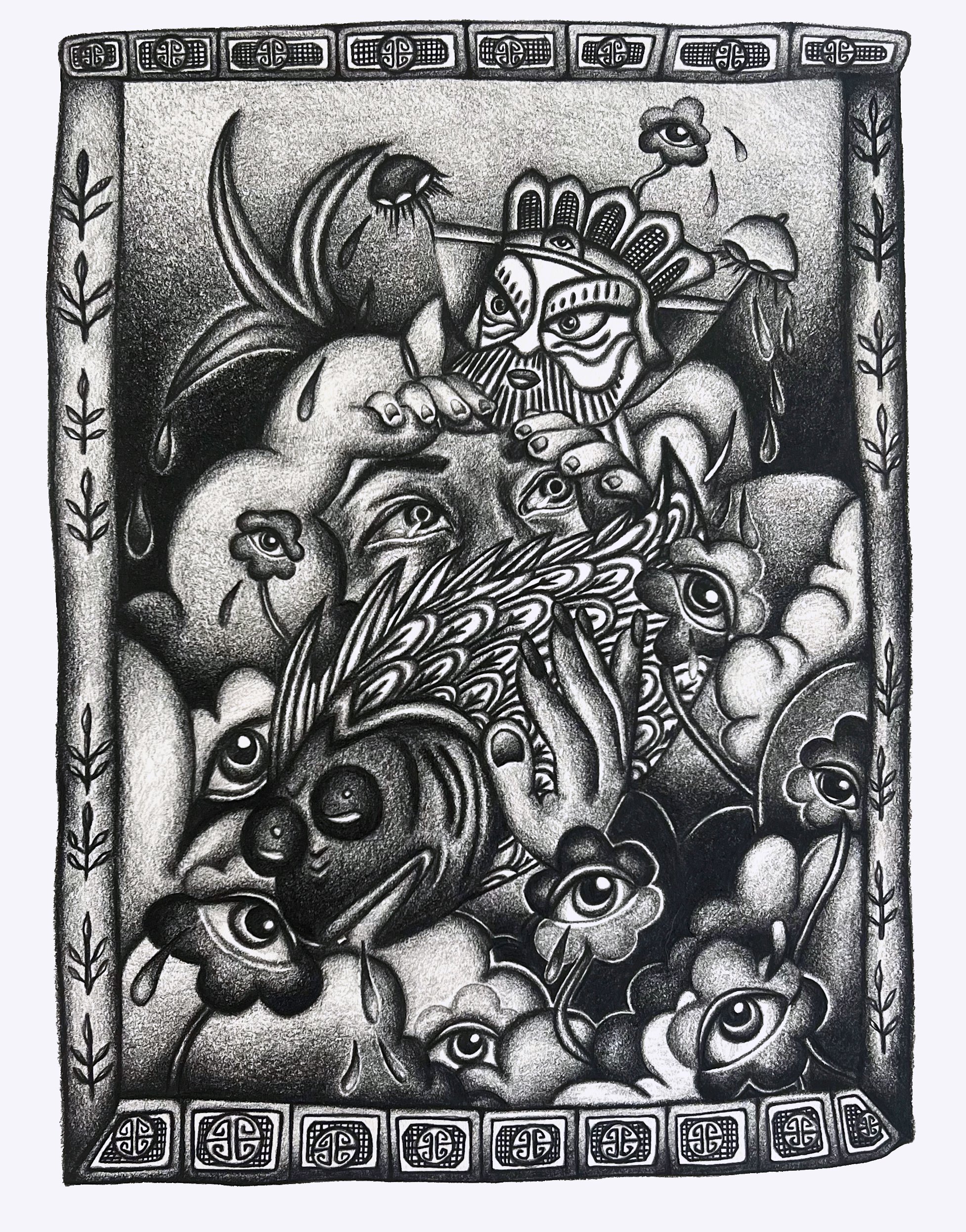
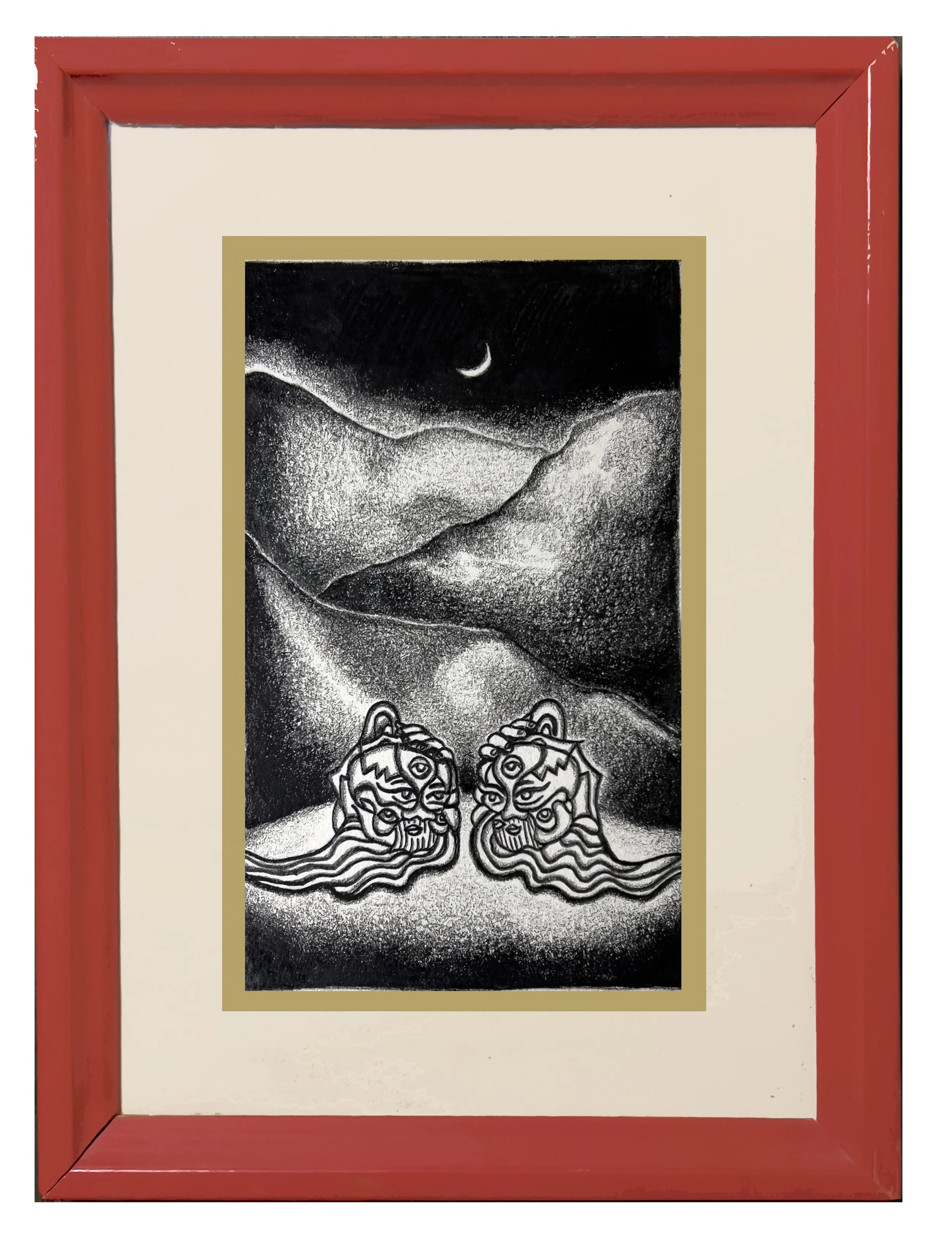
This work explores the physical and emotional landscapes of the Chinese Americans who constructed the Transcontinental Railroad. It acts as both a memorial and a reckoning, broadening our understanding of the Chinese experience with historical research, memory, and cultural tradition.
___
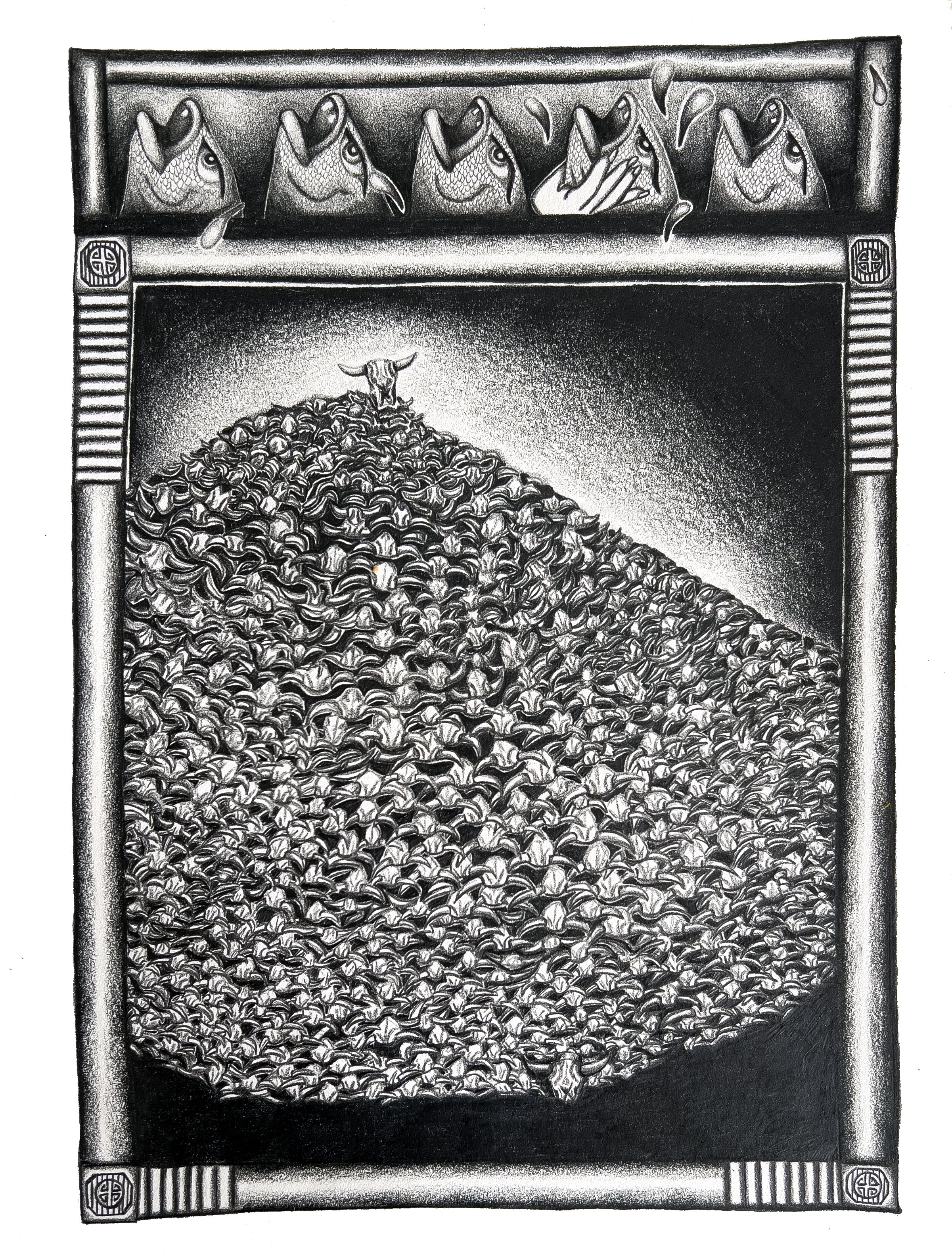
During my research phase of this body of work, I watched dozens of documentaries, youtube presentations from college professors, and read archival news stories. In one of the well-funded historical documentaries, I remember listening to a Historian recall the Chinese American experience of working on the railroad through the Sierra Nevada Mountains. She recalled that the Chinese worked the most grueling section of the line, blasting through pure rock in an age before dynamite, they worked the longest hours with the lowest pay, and were often buried in large unmarked graves. I was horrified. Before I could fully grasp the depth of this information, I remember the historian segueing into a quick transition. She concluded her thought with “but… they had banquets of fish every night and they were happy”.
I remember pausing this video, aghast, and in awe of such statements. It felt strange, unnerving, odd, and yet, familiar. This narrative of dismissal of Chinese Americans struggle is not a new one. It is embedded into the Chinese American experience.
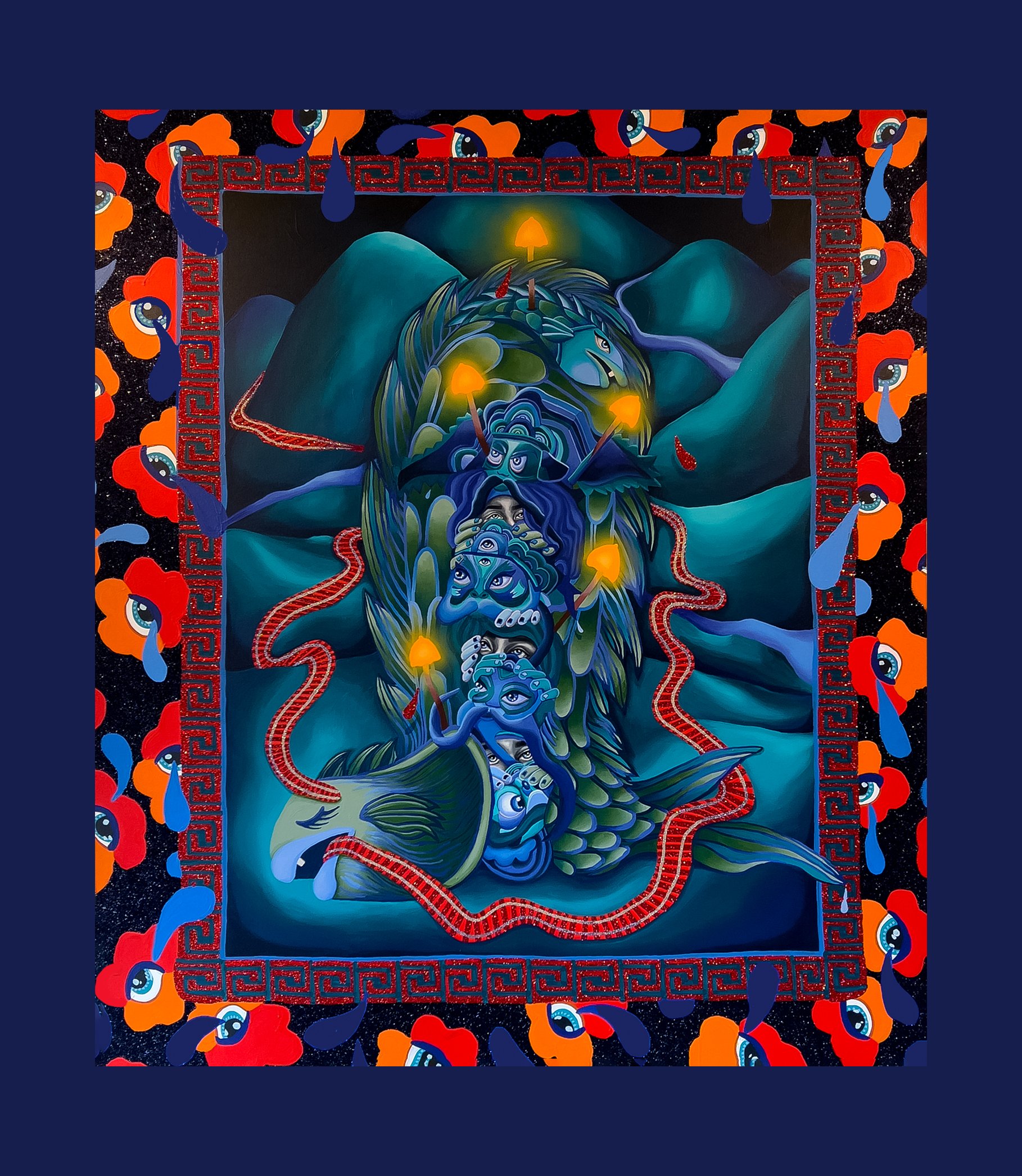
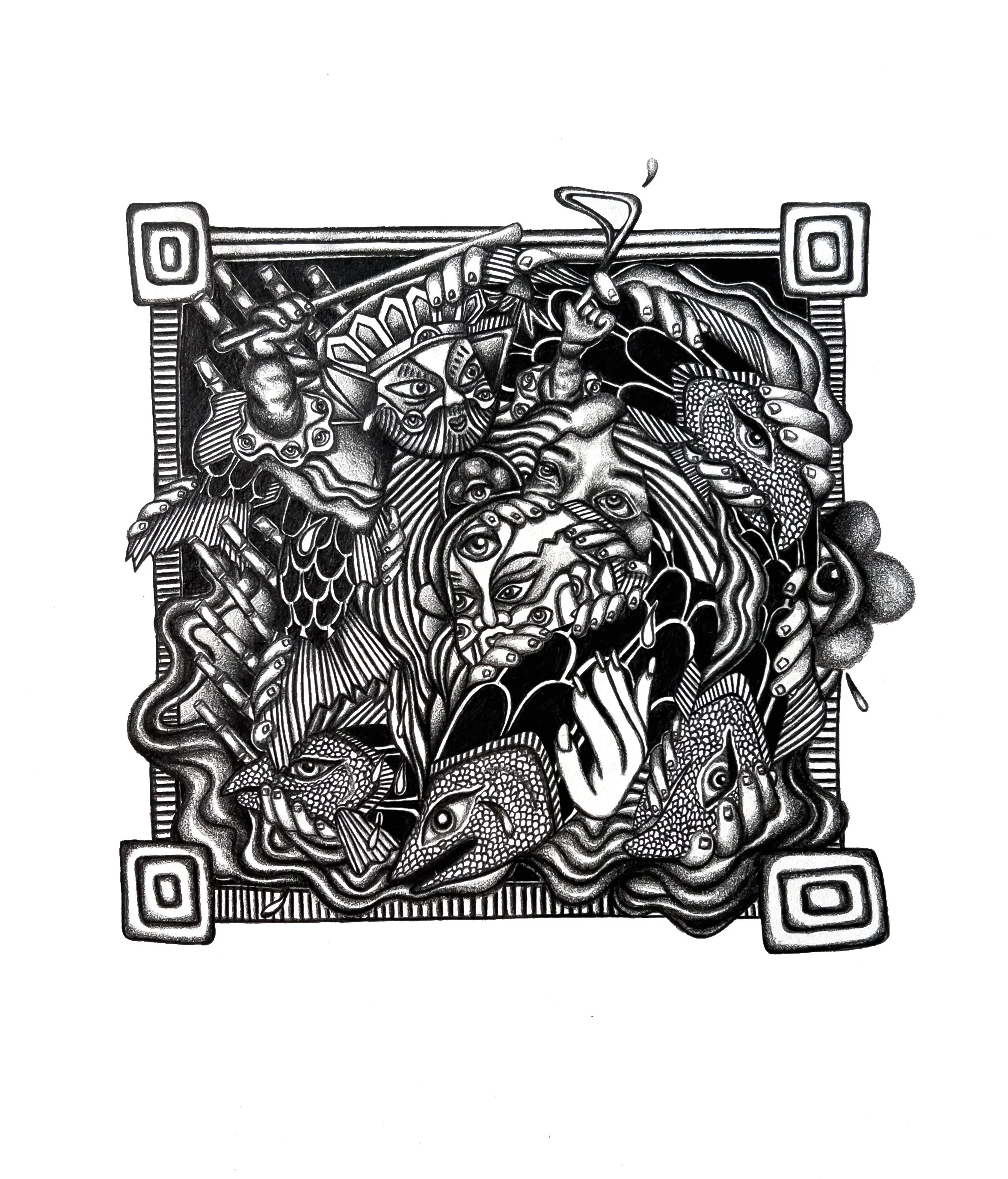
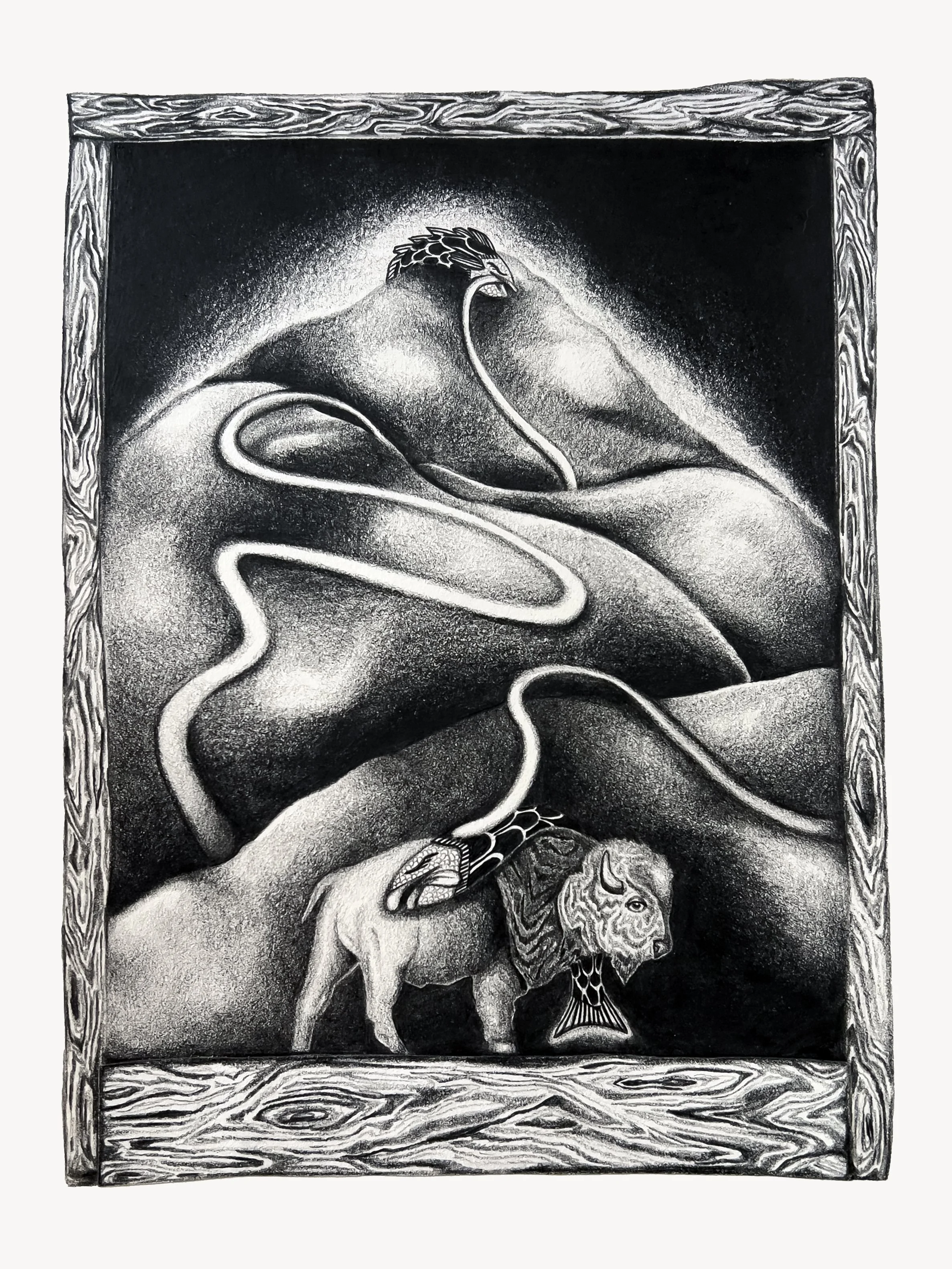
With this feeling in mind, I created this body of work. I created an lexicon of iconography that detailed both the historical canons alongside Chinese mythology, which resulted in my version of cynical realism. I used the imagery of the fish as a reference to the Chinese body as both a memorial and a reckoning. Alongside the dramatically draped fish bodies and images of realistic faces sit MenShen, better known as Chinese Guardian Gods. These culturally significant figures are known for guarding the doorway of homes from evil spirits. In this work the Menshen protect these men in a foreign land, holding their bodies in 3000 years of ancestral warmth and protection.
It is with this work that I insist the recalibration of remembering and what it means for histories to intersect and hold nuance. Restoring the past, present, and future of Chinese American history with the dignity and care it was always owed.
2024- current